
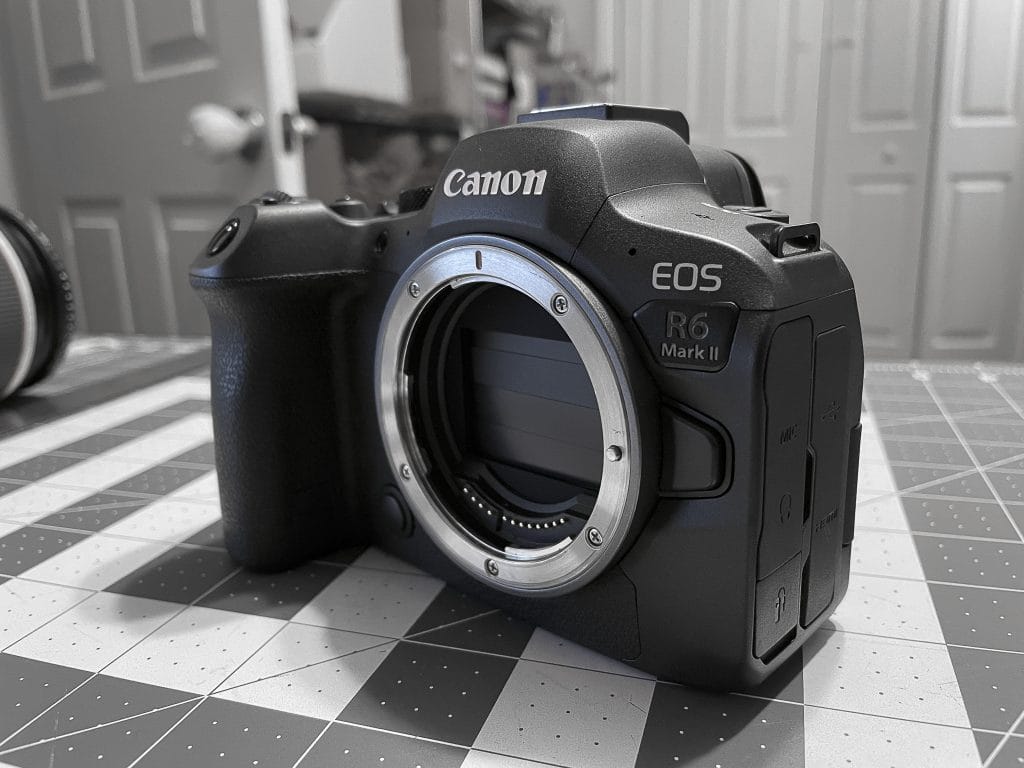
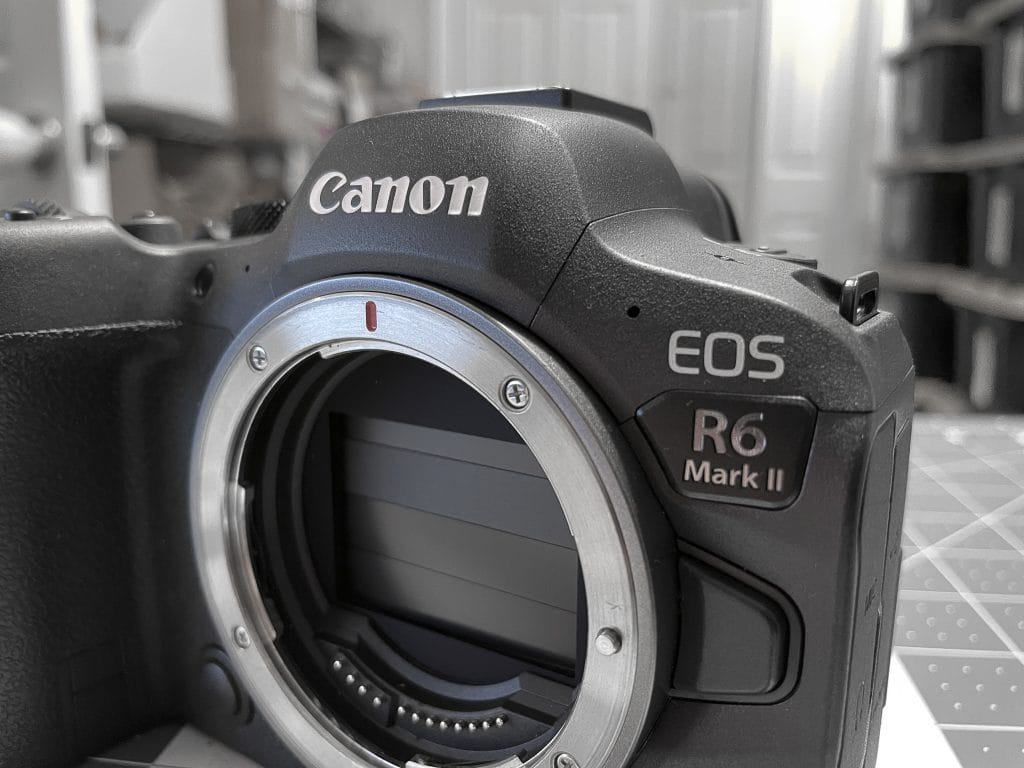
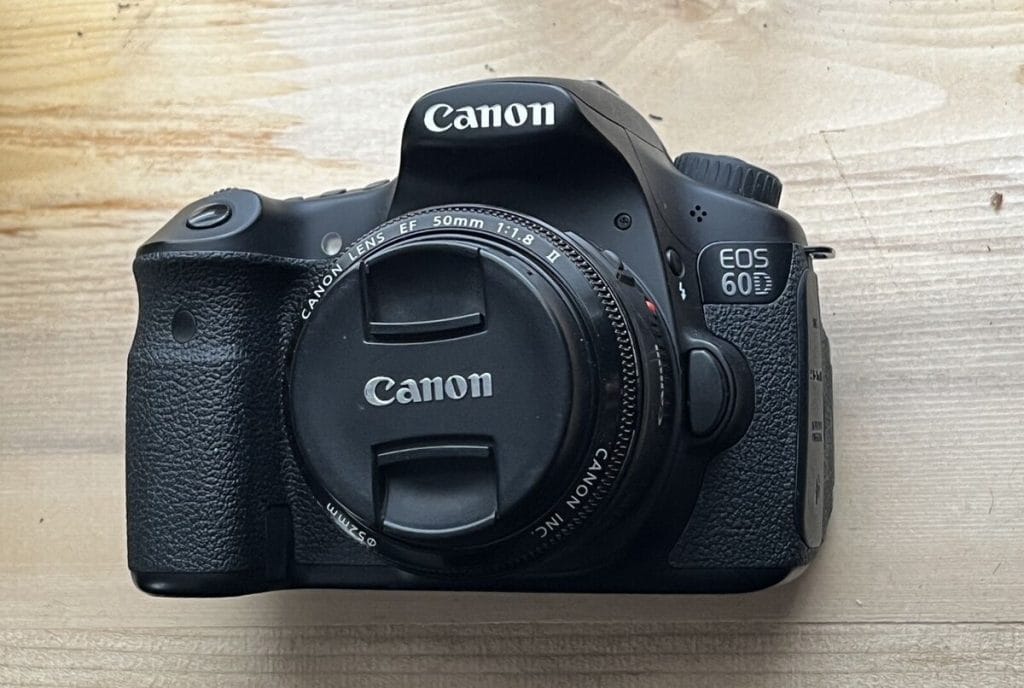
In March 2024, I made the jump to the Canon R6 Mark II. This wasn’t just another camera upgrade for me—it was a leap forward in my photography journey. Coming from the Canon 60D and Canon 5D, both of which served me well over the years, the R6 Mark II brought a new level of performance, versatility, and reliability that I had been seeking.
My Journey with Canon
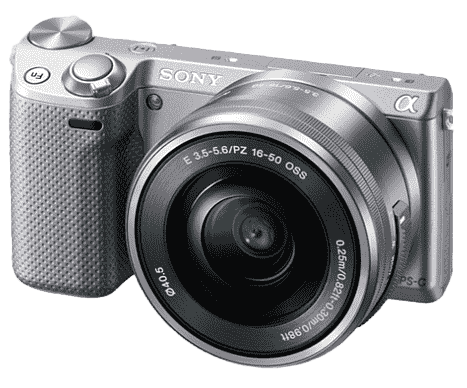
Before I dive into the technical details, it’s important to highlight my history with Canon. My first DSLR was a Canon T3, and it introduced me to the world of larger sensors and better image quality compared to smartphone cameras. I handed that camera down to my brother when I upgraded, but I still remember the excitement of owning my first Canon. After experimenting briefly with a Sony Mirrorless NX, I quickly returned to Canon because it simply felt right for me. That was when I knew that Canon cameras were my go-to for both personal and professional projects.
Unboxing the Canon R6 Mark II
Opening the box of the Canon R6 Mark II is always an exciting moment for any photographer. The packaging is neat and simple. As soon as you lift the lid, you’re greeted by the camera body, neatly placed in protective wrapping. Beneath it are the other essentials—a battery, charger, USB-C cable, and the camera’s manual.
First Steps with the R6 Mark II
Setting up the Canon R6 Mark II is quick and straightforward. The first thing I did was charge the battery, which slots easily into the bottom of the camera body. Once it’s fully charged, mount your lens (in my case, the RF 24-70mm f/2.8L), align the red dot on the lens with the camera body, and twist until you hear a click. It’s ready for action.
Touchscreen Interface and Setup
Upon powering on the camera, the first thing I noticed was the responsive touchscreen interface. The 3-inch articulating screen walks you through the basic setup steps—date, time, language settings, and some basic preferences. I recommend setting the camera to shoot in RAW format from the get-go for maximum image quality and flexibility in post-production.
The Body: Compact Yet Sturdy
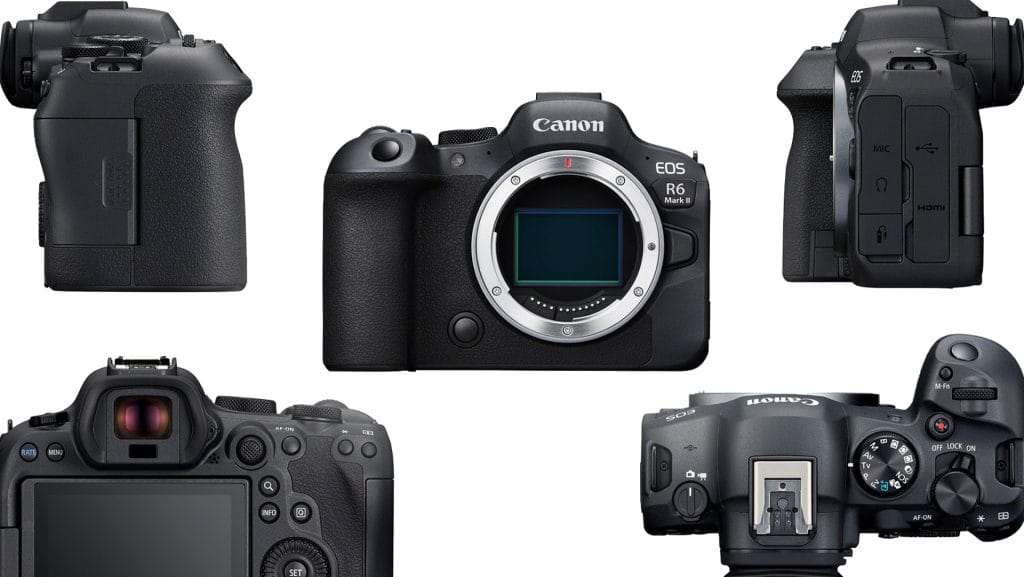
One of the standout features of the R6 Mark II is its body design. It feels compact but robust, striking a perfect balance between portability and durability. The camera doesn’t feel heavy in hand, even with the lens attached. This was a huge bonus for me as I often find myself shooting for hours at a time.
Shooting Experience and First Impressions
After taking the R6 Mark II out for a few test shoots, I immediately noticed the improvement in autofocus speed and accuracy compared to my older cameras. The Dual Pixel CMOS AF II system really shows its strength, especially with moving subjects. I experimented with both landscape photography and some portrait work, and the Eye AF made portrait shooting far easier and more precise.
Low Light Performance
For photographers who frequently shoot in low light, the R6 Mark II is a game changer. The in-body image stabilization (IBIS) works wonders, allowing me to shoot at slower shutter speeds without sacrificing sharpness. Even in low light situations, the noise was minimal, and the detail was impressive. This is a huge step up from my experience with the Canon 60D and 5D, both of which struggled in such conditions.
Customization and Ergonomics
One of the things I love most about Canon cameras is their ergonomics, and the R6 Mark II doesn’t disappoint. The buttons are intuitive and easy to access, making quick adjustments while shooting feel natural. Canon has designed the camera body in a way that photographers familiar with their system will feel right at home.
Image Quality
Now let’s talk about the real star of the show: image quality. The 20.1 MP full-frame sensor delivers stunning results. Colors are accurate, dynamic range is excellent, and the detail in the images is more than enough for professional work. While some may want more megapixels, 20 MP strikes a perfect balance between quality and file size, making editing and storage much more manageable.
Handling Fast Action
If you’re into action photography like I am, you’ll appreciate the 12 fps mechanical shutter. It allows for capturing fast-moving subjects with ease. Whether it’s motorsports, wildlife, or just kids running around, the R6 Mark II’s shutter speed and focus tracking make sure you don’t miss a moment.
Video Capabilities
Canon has packed in some serious video features into the R6 Mark II. With 4K 60p video and 10-bit internal recording, this camera isn’t just for stills. It’s also a powerful tool for videographers. I’ve tested the video quality, and the footage is crisp, with vibrant colors and excellent detail.
Connectivity and Battery Life
For those who need seamless connectivity, the Wi-Fi and Bluetooth capabilities make transferring images to your phone or computer a breeze. You can even use the Canon app to remotely control the camera, which is a great feature for landscape and aerial photography. Battery life is decent, providing several hours of continuous shooting on a single charge, though I’d recommend carrying a spare if you’re out for the day.
Mirrorless vs. DSLR: My Take
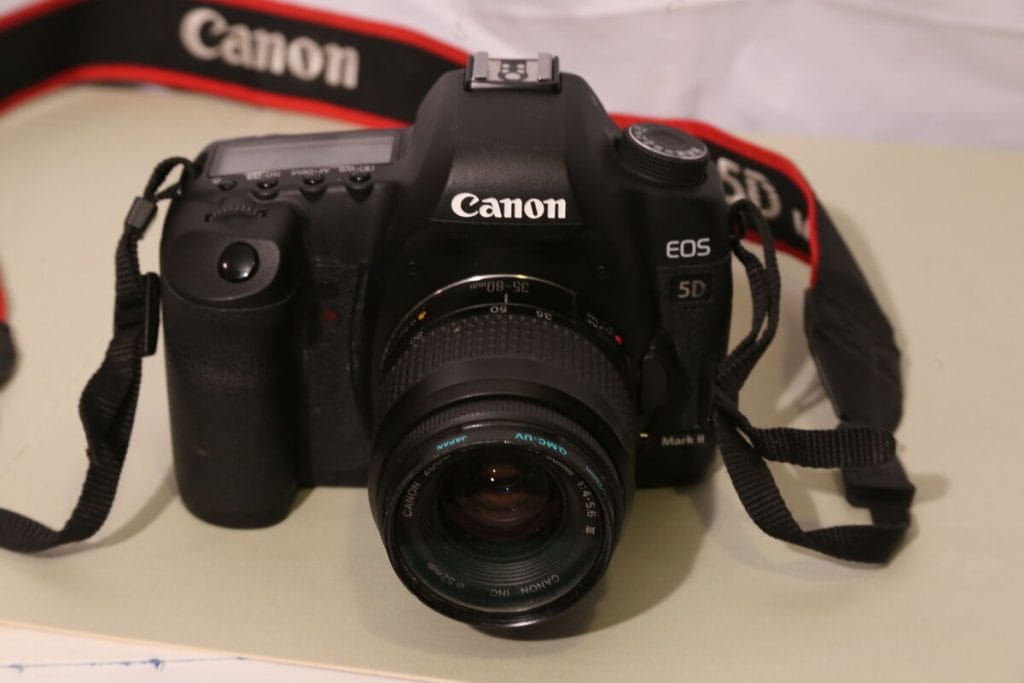
Having used both DSLRs and mirrorless cameras, I can confidently say that the R6 Mark II is a perfect hybrid. While I started out with DSLRs like the Canon 60D and 5D, the R6 Mark II’s mirrorless technology feels like a natural progression. The electronic viewfinder offers a real-time preview of your exposure, which was a big adjustment for me coming from an optical viewfinder, but now I can’t imagine shooting without it.
Weather Sealing and Durability
For outdoor photographers, the weather sealing on the R6 Mark II is a blessing. I’ve taken it out in unpredictable conditions, and the camera holds up beautifully. Knowing that it’s sealed against dust and moisture gives me the confidence to keep shooting, even when the weather isn’t ideal.
My Personal Experience with Canon
As someone who’s owned multiple Canon cameras over the years, including the Canon T3, 60D, and 5D, the R6 Mark II feels like the culmination of everything I’ve loved about Canon with the added benefits of mirrorless technology. The tactile controls, the stunning image quality, and the reliability—these are all reasons I’ve stuck with Canon for so long.
Why I Went Back to Canon After Trying Sony
There was a brief period where I experimented with a Sony Mirrorless NEX. While Sony’s technology is impressive, I found that Canon’s overall color science and user experience were more in line with my preferences. I quickly returned to Canon, and I haven’t looked back since. The R6 Mark II reinforces why I chose Canon in the first place.
Conclusion: Who Should Buy the R6 Mark II?
If you’re looking for a professional-grade camera that’s versatile enough for both stills and video, the Canon R6 Mark II is an excellent choice. It’s perfect for photographers who are upgrading from older DSLRs or even those looking to step into the mirrorless world for the first time. The Canon R6 Mark II offers a perfect blend of performance, image quality, and ease of use.
Related Articles You Might Like:
- Canon 60D vs Canon R6 Mark II: Is It Worth the Upgrade?
- Canon’s Best Mirrorless Cameras of 2024
- Top 5 Tips for Shooting in Low Light with the Canon R6 Mark II
External Links:
- Canon R6 Mark II Official Product Page
- Guide to Mirrorless Cameras: What You Need to Know
- Best Lenses for Canon R6 Mark II
Okay, this is actually super helpful! I’m new to photography and still figuring out all the gear, so reading about why you upgraded to the Canon R6 Mark II is awesome. I didn’t realize how much of a difference a camera upgrade can make. Honestly, learning about all the features is making me way more curious about the whole Canon lineup!
Seeing how you compare it to other models, especially the R6 and the 60D, gives me some perspective on how cameras can evolve. It’s wild how each new model seems to add so much to the experience. Image quality is everything, and it’s cool to read how Canon keeps pushing the limits with each upgrade. Guess I’ve got a lot to learn about what these cameras can really do.
Also, the whole low-light and autofocus thing? Total game changer! A lot of my photos end up blurry or don’t look right in low light, so having a camera that handles that well sounds like a dream. It’s like they took all the little things photographers struggle with and just leveled it up for us. I never knew autofocus could be so complex but also so helpful!
This post really made me think about how important it is to choose the right camera, especially when you’re just starting out like me. There’s a lot more to consider than just the price, apparently! The R6 Mark II sounds epic, but I’m gonna have to work my way up to that kind of gear someday. For now, I’m just happy learning the basics, but this article’s definitely on my list to come back to.
Thanks for sharing this! I know I’ve got a long way to go, but it’s great seeing what’s possible with the right equipment. For now, I’ll stick with my beginner setup, but reading about stuff like this is keeping me motivated to get better. Can’t wait to see where I’ll be a few years down the line!
Wow, este post está super útil! Soy bastante nuevo en la fotografía, so reading about your experience with the Canon R6 Mark II really motivates me. Tengo una cámara más viejita, y a veces me siento perdido con todos los settings, pero ver cómo hablas de las mejoras en autofocus y en low-light performance me emociona aprender más. Parece que esta cámara realmente hace las cosas más fáciles, especially for capturing action and detail. Gracias por explicar los aspectos técnicos de una manera que hasta los principiantes como yo pueden entender!
También me gusta que mencionaste cómo se siente usarla, like the weight and the grip. Esas cositas hacen una gran diferencia, y a veces la gente se olvida de hablar de eso. It’s great to hear que la R6 Mark II es cómoda y sólida. estoy pensando que a medida que siga aprendiendo, maybe I’ll save up para hacer un buen upgrade así también. Gracias por compartir tu experiencia y tus consejos; it’s super encouraging para los que apenas estamos comenzando!